 Send Inquiry
 08045801606
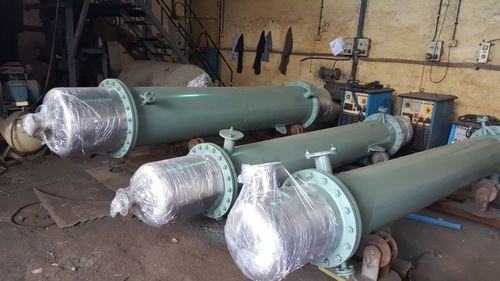
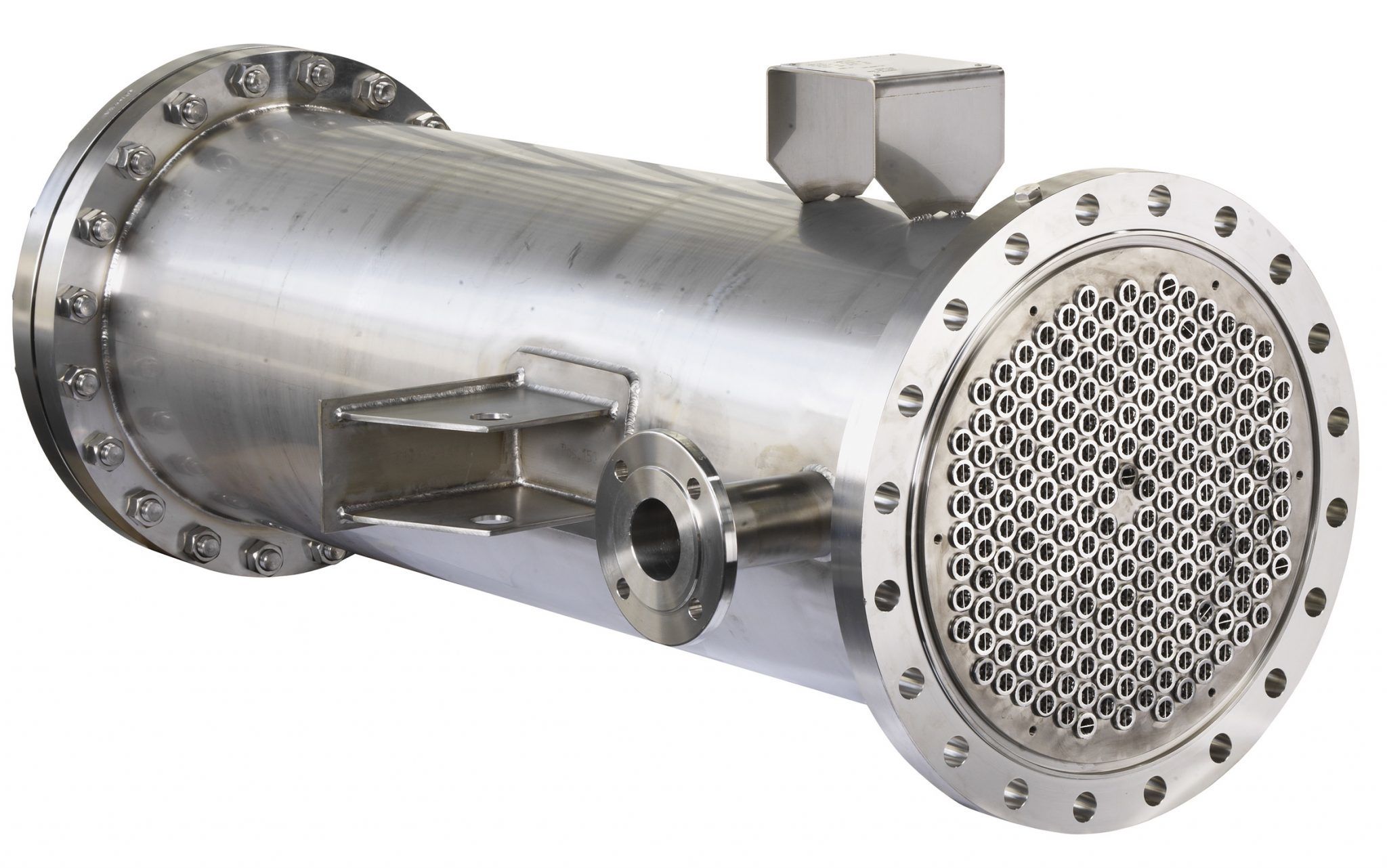
Heat Exchanger
485000 INR
Product Details:
- Condition New
- Power 2-10 kW (depending on model)
- Product Type Heat Exchanger
- General Use Industrial Heat Transfer
- Material Stainless Steel (SS304/SS316)
- Capacity 1000 - 20000 LPH
- Weight (kg) 250 - 800 kg (depends on model)
- Click to View more
X
Heat Exchanger Price And Quantity
- 485000 INR
- 1 Unit
Heat Exchanger Product Specifications
- Stainless Steel (SS304/SS316)
- Shell and Tube/Shell and Coil
- Corrosion resistant, compact design, easy installation
- Industrial Heat Transfer
- 220/380 V
- 250 - 800 kg (depends on model)
- Silver
- Optional
- New
- High-grade steel shaft
- Customizable (Standard: 1800 x 800 x 1200 mm)
- Yes
- Standard, high efficiency
- 1000 - 20000 LPH
- 2-10 kW (depending on model)
- Yes
- Electric
- Heat Exchanger
Product Description
RAHUL ENGINEERS Heat ExchangerA heat exchanger is a device used to transfer heat between two or more fluids. Heat exchangers are used in both cooling and heating processes. The fluids may be separated by a solid wall to prevent mixing or they may be in direct contact.They are widely used in space heating, refrigeration, air conditioning, power stations, chemical plants, petrochemical plants, petroleum refineries, natural-gas processing, and sewage treatment.
Engineered for Versatility and Efficiency
Designed for a broad range of industries, this heat exchanger excels in diverse environments, whether for hygienic dairy processing or rigorous chemical manufacturing. With customizable sizes and finishes, as well as standardized, high-grade components, it delivers dependable performance and simple installation, thanks to its compact, corrosion-resistant construction.
Intelligent Automation and Cleanability
Available with computerized operation and optional PLC control, the heat exchanger streamlines process automation, boosting consistency and reliability. CIP (Clean in Place) support ensures that maintenance and sanitation routines are convenient and efficient, minimizing downtime and optimizing operational hygiene.
FAQs of Heat Exchanger:
Q: How does the heat exchanger facilitate efficient heat transfer in industrial applications?
A: The heat exchanger utilizes a shell-and-tube or shell-and-coil design in either counterflow or parallel flow configurations, providing a large heat transfer area (240 m) and precise tube diameters (12.7 mm or customized). This setup ensures optimal thermal exchange efficiency across various fluids and process conditions.Q: What industries can benefit most from this heat exchanger?
A: This product is ideally suited for the dairy, beverage, chemical, pharmaceutical, and food industries, where precise temperature control, hygiene, and corrosion resistance are critical. Its robust construction and flexible configuration options make it versatile for multiple applications.Q: When should I opt for customized dimensions or finishes for my heat exchanger?
A: Customized dimensions or finishes, such as mirror or matt, are recommended when specific space constraints, integration requirements, or hygiene standards are necessary in your production facility. These options enable seamless installation and compliance with industry regulations.Q: Where is the heat exchanger typically installed within an industrial process line?
A: The heat exchanger is commonly integrated into fluid transfer lines where heating or cooling is required. Its compact design and various connection types (tri-clamp, flanged, threaded) allow it to be installed in both new and existing plants across production, utility, or CIP circuits.Q: What is the process for cleaning and maintaining the heat exchanger?
A: This model supports CIP (Clean in Place) cleaning, allowing automated and efficient internal cleaning without the need for disassembly. Routine maintenance involves periodic inspection and following manufacturer CIP protocols to ensure consistent performance and hygiene.Q: How does using this heat exchanger benefit industrial operations?
A: Users benefit from energy savings, improved process consistency, enhanced hygiene (especially with CIP support and SS304/SS316 materials), and reduced downtime due to streamlined maintenance. Its high efficiency and adaptability also increase overall productivity.Tell us about your requirement

Price:
Quantity
Select Unit
- 50
- 100
- 200
- 250
- 500
- 1000+
Additional detail
Mobile number
Email

Other Products in 'Chemical Processing Plants ' category

Contact Details
RAHUL ENGINEERS
An ISO 9001:2008 Certified Company
An ISO 9001:2008 Certified Company

- Plot NO. DG- 57/DG-54, Dungra Garment Zone, Near Dadra Check Post GIDC,Vapi - 396191, Gujarat, India
- Phone : 08045801606

- Mr Rajesh Yadav (Proprietor)
- Mobile :08045801606
- rahulengg76@yahoo.com
 Send Inquiry
 |
RAHUL ENGINEERS
All Rights Reserved.(Terms of Use) Developed and Managed by Infocom Network Private Limited. |
